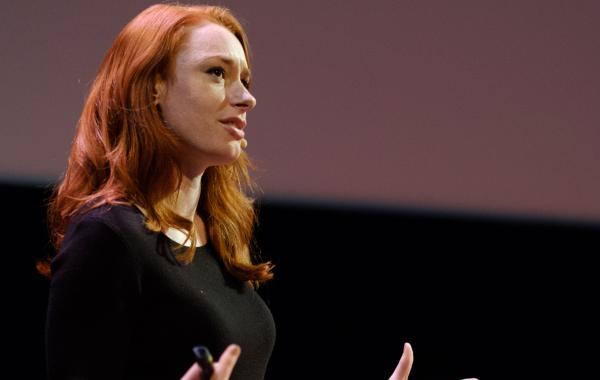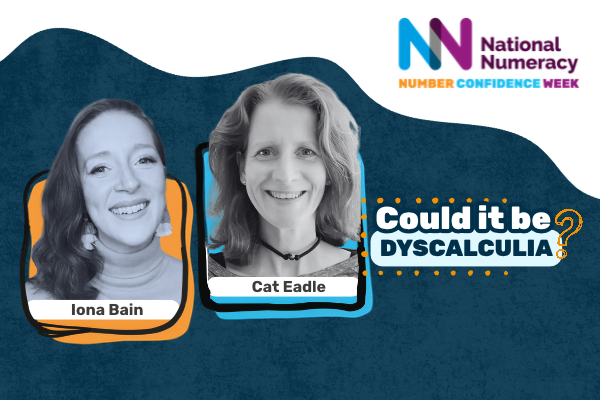
A childhood memory of being left in the classroom while everyone else went outside to play has stayed with journalist and broadcaster Iona Bain for nearly 30 years. She had to complete her times tables. While her classmates finished, Iona struggled.
Years later, discovering she had dyscalculia helped her make sense of her experiences and access the support she needed.
"It helped me understand that I wasn’t stupid, that I wasn’t lazy," she says.
Now, as a financial journalist and National Numeracy ambassador, Iona shares her story to help others feel understood and more confident asking for help.
Understanding dyscalculia
In this special recorded conversation for Number Confidence Week, Iona joins Cat to explore what dyscalculia is, how it can show up in everyday life and why it can go unrecognised.
Together, they discuss the difference between dyscalculia and other maths difficulties, challenge common misconceptions and reflect on the impact of struggling in silence.
From school memories to managing money, remembering numbers and feeling put on the spot, it is a conversation about experiences that many people may recognise in themselves or someone close to them.
Reassurance and practical advice
Alongside Iona’s personal experiences, the conversation offers practical ideas for adults, parents and educators.
You’ll hear about:
- Recognising when someone might need more support with numbers
- Helping children feel understood when maths is difficult
- Making homework feel less pressured
- Using tools and everyday strategies with confidence
- Finding information and knowing where to turn for help
Above all, Iona and Cat want people to know that finding maths difficult does not mean they are less capable, and that support can make a difference.
As Iona puts it: "You don’t get extra points and prizes for not using a calculator."
Watch this Number Confidence Week
Whether you have dyscalculia, are wondering about your own experiences or want to better support a child, pupil or colleague, this conversation is a chance to listen, learn and feel less alone.
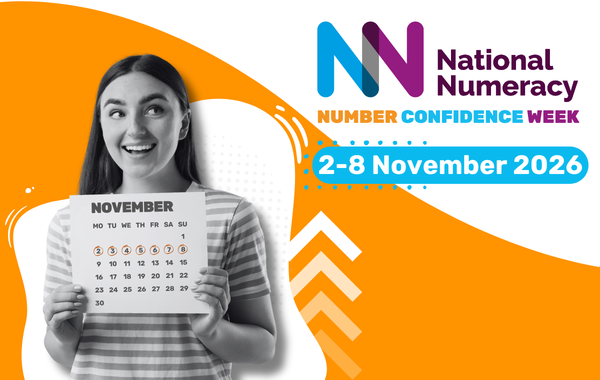
Number Confidence Week, 2–8 November 2026, celebrates the role we can all play in nurturing number-confident communities. Understanding one another’s experiences and starting conversations about numbers is a great place to begin.
Sign up for free access to the full conversation, alongside resources and activities to help you build number confidence at home, at work and in your community.
Are you a parent who wants some advice or guidance? Sign up here.
Are you an adult wondering whether you might have dyscalculia? Sign up here.