Blog
Numbers in nature: The hidden maths all around us
17 Apr 2026
By Puja Mistry, Digital Marketing Officer
When we think about maths, we might picture classrooms, calculators, or spreadsheets. But step outside, and you’ll find something surprising: numbers are everywhere in nature.
From the spirals of a sunflower to the symmetry of a snowflake, the natural world is full of patterns, shapes and sequences that reveal just how deeply maths is woven into our everyday lives.
The magic of the Fibonacci sequence
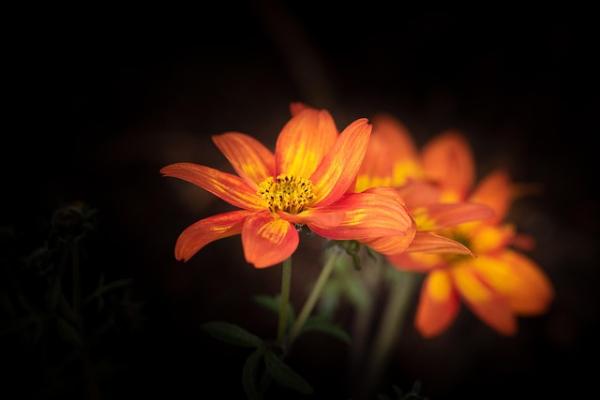
Take a closer look at the flowers around you this spring.
Many of them follow a special pattern called the Fibonacci sequence – but don’t worry, it’s simpler than it sounds.
It’s just a sequence where numbers grow by adding the last two together:
1, 1, 2, 3, 5, 8…
You can spot this pattern in:
- The number of petals on flowers
- The way seeds are arranged in a sunflower
- Pine cones and even some fruits
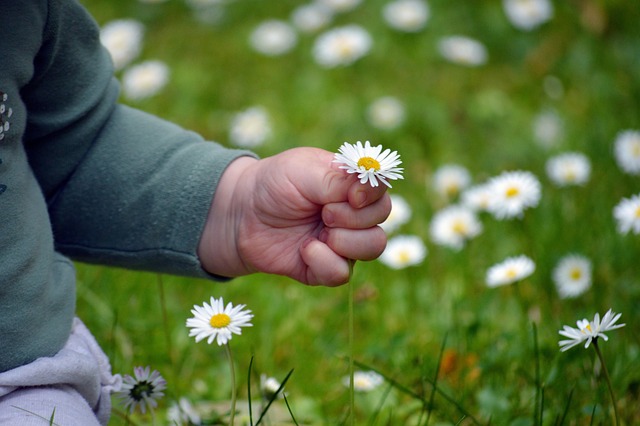
Fun spring fact: daisies often have 34, 55 or 89 petals – all numbers from this pattern!
Nature uses this pattern because it helps plants grow in the most efficient way, giving each petal or seed the space it needs.
(Source: Royal Society, Mathematical Biology research)
Spirals in sunflowers
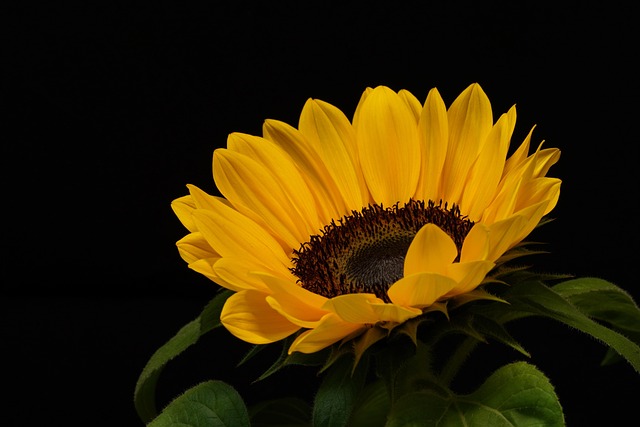
Have you ever looked closely at the centre of a sunflower?
You’ll see beautiful spirals going in both directions. These spirals are linked to a number idea called the Golden Ratio.
That might sound complicated, but really it’s just a way of arranging things so they fit together really well.
In sunflowers, this helps pack in as many seeds as possible – a clever bit of natural design!
Busy bees and clever shapes
Spring wouldn’t be the same without bees buzzing from flower to flower.
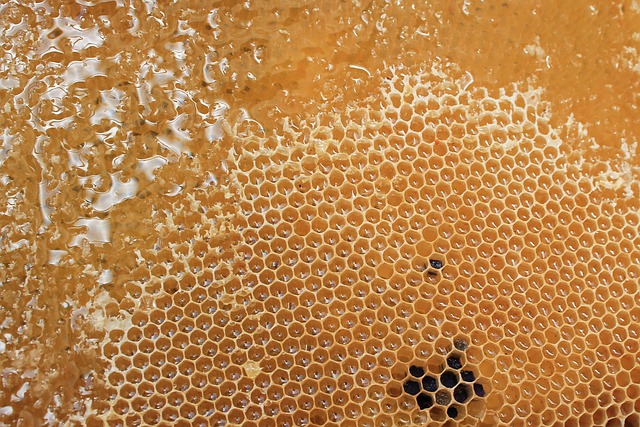
Bees build their honeycombs using hexagons (six-sided shapes). It might look pretty, but it’s also very practical.
Hexagons:
- Fit together perfectly with no gaps
- Use less material
- Hold lots of honey
It’s one of the most efficient shapes in nature, and bees have been using it long before humans understood why!
Why this matters
If maths has ever felt difficult or not “for you”, you’re not alone.
But seeing numbers in nature can help us look at it differently.
Maths isn’t just about tests or textbooks – it’s something we use every day, often without even realising. From cooking and shopping to gardening and planning, it helps us make sense of the world.
And just like nature, you can grow your confidence step by step.
A final thought
Next time you’re out enjoying the spring sunshine, take a moment to look a little closer.
A flower, a leaf, a buzzing bee – they’re all using maths in their own way.
And maybe, just maybe, that means maths is more natural to you than you think.
If spotting maths in nature has sparked your curiosity, keep that momentum going.
Join National Numeracy Day on 20 May and sign up for your free online toolkit — full of simple, practical ways to build your confidence with numbers.
Try the National Numeracy Challenge
However you feel about maths, you’re not alone. The National Numeracy Challenge is a free and easy-to-use website you can use to improve your confidence with numbers, in your own time and at your own pace.
It’s ideal for brushing up, checking your level, or for catching up on learning you missed, and it’s all about the maths you need in daily life and at work – no algebra or trigonometry.